Comparing TTS Audio: Single Voice vs Multiple Voices
I spent an entire evening with my headphones on, listening closely and reflecting on the differences between single-voice TTS and multi-voice TTS. Nothing technical or high-level—just simple curiosity about how these two approaches actually feel in real use.
My real experience
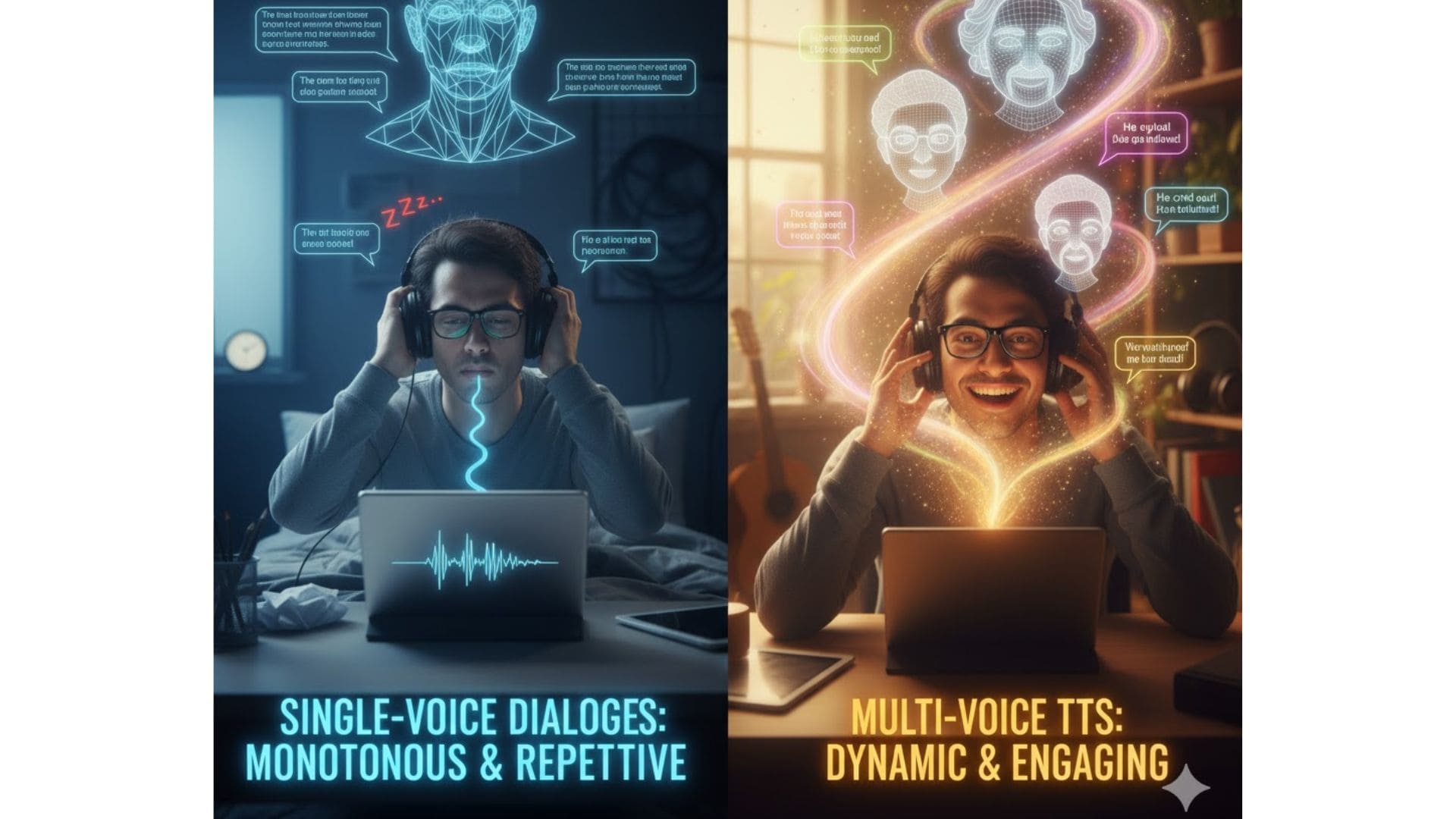
One Saturday evening, about two weeks ago, I decided to try both versions. The weather was a bit chilly, so I started with single-voice TTS, playing some informational content to help me wind down and fall asleep.
After a while, it began to feel repetitive. The voice was steady and even, almost as if the speech had been “robotized.” It works fine for dry or factual content, but once I switched to longer, more narrative material, it felt like something was missing.
Then I moved on to multi-voice TTS, and the difference was immediately noticeable. When a story involved multiple characters, each distinct voice made it feel more like a live reading or a small performance. Before I knew it, I was lying back, fully immersed in a much more vivid and engaging soundscape.
Personal opinion
If I had to choose, I’d lean toward multi-voice TTS. Not because it comes with “more features,” but simply because it makes listening more enjoyable.
If you’re curious as well, you can explore it further here:
👉 https://ttsforfree.com/en/multi-voice-tts/
Some strengths of multi-voice TTS
- Richer experience: Listening to multiple voices keeps things from feeling dull. Each character has its own tone, similar to watching a movie unfold through sound.
- More realistic: It feels closer to a real conversation, rather than just a machine reading text aloud.
What’s great about single-voice TTS?
- Simple and clear: Ideal when you just want to follow content without extra complexity or variation.
It’s honestly hard to capture the difference fully with words alone—you really have to try it yourself. If you’re like me and enjoy exploring new technology, I’d recommend experimenting with both to see which one fits you best.